Qatar stands as a captivating destination where ancient Arabian traditions seamlessly blend with ultra-modern architecture and world-class attractions. This comprehensive guide explores the best places to visit in Qatar, from the bustling capital of Doha to the tranquil sand dunes of the desert.
Whether you’re seeking cultural enrichment at the Museum of Islamic Art, shopping adventures at Villaggio Mall, or thrilling desert safari experiences, Qatar tourism offers something extraordinary for every traveler.
The nation’s commitment to preserving Qatar’s heritage while embracing innovation makes it one of the most fascinating destinations in the Arabian Gulf.
From the iconic Doha Corniche to the historic Souq Waqif, these tourist attractions in Doha showcase the country’s unique character and warm hospitality that welcomes visitors year-round.
To enjoy a comfortable experience, use the Farfetch promo code to buy suitable travel clothing at the best prices.
What Are the Must-See Tourist Attractions in Doha?
Museum of Islamic Art: Qatar’s Cultural Masterpiece
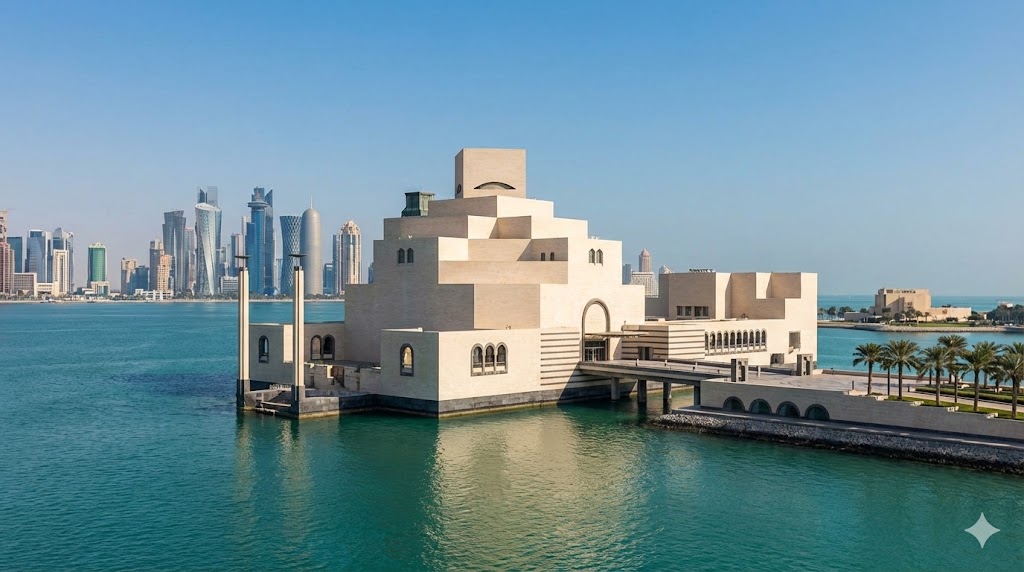
The Museum of Islamic Art stands as one of the most prestigious tourist attractions in Doha and represents a cornerstone of Qatar tourism. Designed by renowned architect I.M. Pei, this architectural marvel houses one of the world’s most comprehensive collections of Islamic artifacts spanning 1,400 years.
The museum’s distinctive geometric design rises majestically from its own island off the Doha Corniche, offering breathtaking views across the Arabian Gulf. Visitors exploring this Qatar national treasure will discover exquisite manuscripts, textiles, ceramics, and metalwork from three continents.
The museum’s interior spaces feature soaring atriums with natural limestone walls that create an atmosphere of contemplative beauty. As one of the top attractions in Qatar, it provides educational programs and exhibitions that illuminate Islamic contributions to art, science, and culture.
The surrounding park offers perfect photo opportunities with the West Bay skyline as a backdrop, making it an essential stop for anyone planning places to visit in Qatar.
Beyond its permanent collection, the Museum of Islamic Art regularly hosts temporary exhibitions featuring modern art and contemporary interpretations of Islamic traditions. The museum’s location along the Corniche makes it easily accessible and positions it within walking distance of other tourist places including the nearby promenade and waterfront dining options.
The building itself exemplifies Qatar’s commitment to becoming a cultural hub in the Arabian region, bridging past and present through architectural innovation. Guided tours available in multiple languages help visitors appreciate the intricate details of the artifacts and understand their historical context within Qatar’s heritage.
The museum shop offers unique souvenirs and scholarly publications, while the waterfront restaurant provides fine dining with spectacular views. Educational workshops and family-friendly activities make this one of the most versatile places to visit in Doha for travelers of all ages.
Evening visits offer particularly magical experiences as the building’s illumination reflects beautifully on the surrounding waters of the Arabian Gulf.
You can also use a Sephora discount code to purchase beauty and personal care products at the best prices.
Souq Waqif: Experience Qatar’s Heritage and Arabian Charm
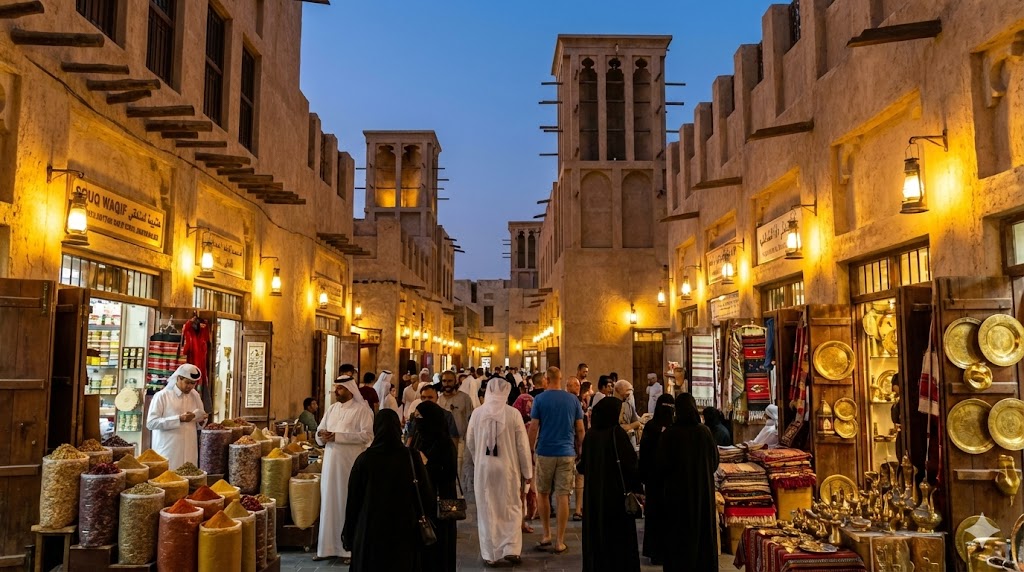
Souq Waqif represents the beating heart of traditional Qatari commerce and stands among the most authentic tourist attractions in Doha. This restored marketplace captures the essence of Arabian trading culture with its labyrinthine alleyways, traditional architecture, and bustling atmosphere that transports visitors back in time.
The souq specializes in everything from fragrant spices and traditional textiles to handcrafted jewelry and antique treasures, making it one of the best places to visit for cultural immersion.
Walking through Souq Waqif, visitors encounter the sights, sounds, and aromas that have defined Arabian markets for centuries, with vendors calling out to passersby and the scent of incense filling the air.
The marketplace also features numerous restaurants serving authentic Qatari cuisine alongside international options, all within beautifully restored buildings that showcase Qatar’s heritage.
As evening approaches, the souq becomes even more vibrant with street performers, traditional music, and families gathering to enjoy the cooler temperatures.
The architectural restoration of Souq Waqif has carefully preserved its historical character while incorporating modern amenities for visitor comfort, making it a premier destination for Qatar tourism.
Traditional Qatari architectural elements including exposed wooden beams, clay walls, and wind towers demonstrate the ingenuity of Arabian building techniques adapted to the desert climate.
The souq hosts specialized sections dedicated to falcons and traditional hunting equipment, reflecting Qatar’s deep connection to Bedouin heritage and desert traditions. Art galleries scattered throughout the market showcase both traditional crafts and modern art, bridging generations of Qatari creativity.
The Souq Waqif Art Center regularly features exhibitions by local and regional artists, contributing to Doha’s growing reputation as a cultural destination. Visitors can also experience traditional shisha cafes where locals gather to socialize, offering authentic glimpses into daily Qatari life.
During Qatar National Day and other celebrations, the souq transforms into a festival space with special performances and activities that highlight the nation’s pride and cultural identity, making it essential among places to visit in Qatar for understanding local traditions.
Use an iHerb promo code to take advantage of the savings and purchase personal care items like sunscreen and moisturizer to protect your skin from the sun’s rays.
Doha Corniche: Scenic Promenade Along the Arabian Gulf
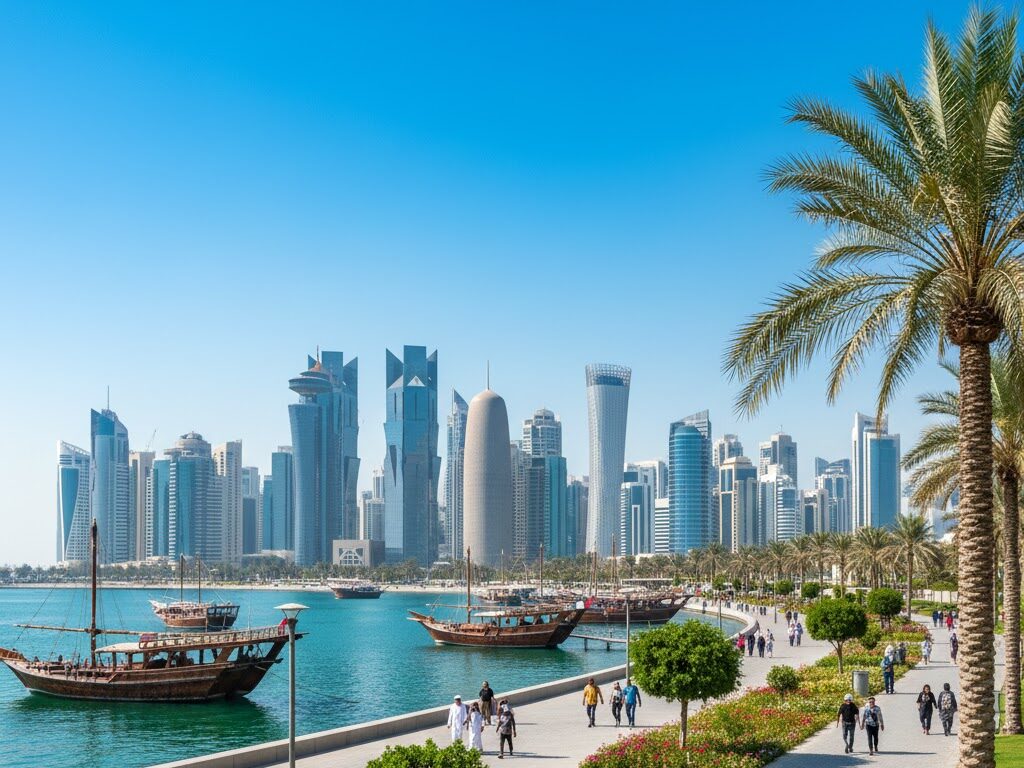
The Doha Corniche stretches for seven kilometers along the crescent-shaped bay, offering one of the most picturesque promenades in the entire Arabian Gulf region. This waterfront walkway ranks among the top attractions for both tourists and residents, providing stunning panoramic views of the West Bay skyline on one side and the sparkling waters of the Arabian Gulf on the other.
The Corniche serves as Doha’s social gathering space where families stroll, joggers maintain their fitness routines, and visitors pause to capture photographs of the city’s dramatic transformation. Palm trees line the walkway, providing occasional shade while manicured gardens add splashes of green to the urban landscape.
The promenade connects several major tourist attractions in Doha including the Museum of Islamic Art, making it an ideal route for exploring multiple places to visit in a single outing. Traditional dhow boats bob in the harbor, offering cultural contrast to the gleaming modern towers that define the skyline.
As one of the best places to visit in Doha for understanding the city’s rapid development, the Corniche offers historical perspective on Qatar’s transformation from pearling village to global metropolis. The walkway features numerous benches and rest areas where visitors can relax while contemplating the architectural achievements visible across the bay.
Bicycle rentals provide alternative transportation for those wanting to cover more distance along this extensive promenade. The Corniche becomes particularly enchanting during sunset when the fading light paints the sky in brilliant colors and the city lights begin their nightly display.
During Qatar National Day celebrations, the Corniche transforms into the centerpiece of festivities with fireworks, parades, and cultural performances that showcase national pride.
Food vendors and cafes along the route offer refreshments, though many visitors choose to picnic on the grass while enjoying the sea breezes that provide relief from the desert heat.
The area’s careful landscaping and maintenance reflect Qatar tourism’s commitment to providing world-class public spaces that enhance the visitor experience and demonstrate the nation’s vision for urban excellence along the Arabian Gulf coastline.
Which Historical and Cultural Places to Visit in Qatar Should Be on Your List?
National Museum of Qatar: Journey Through Qatar’s Heritage
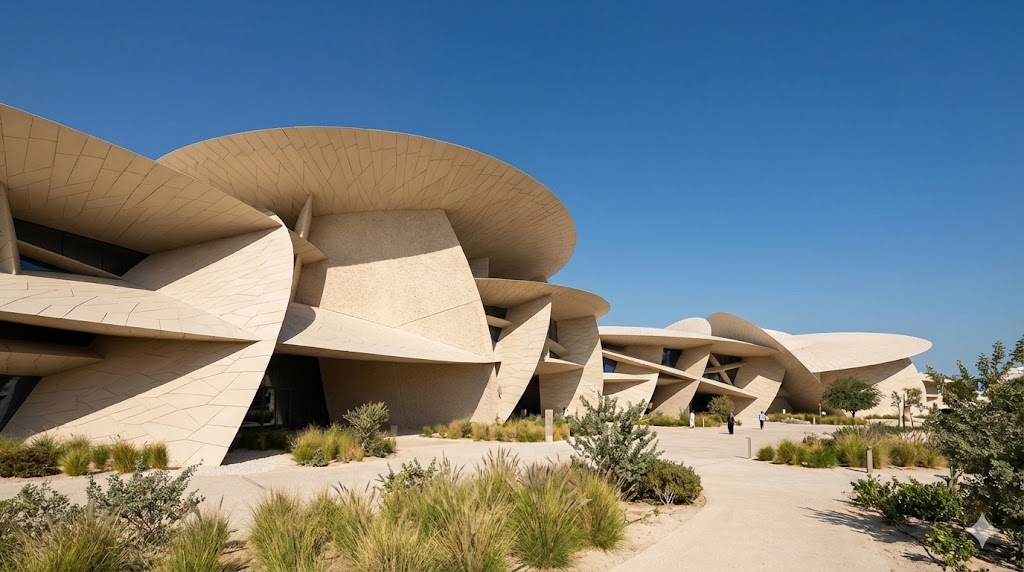
The National Museum of Qatar stands as an architectural wonder and historical repository that chronicles the nation’s journey from Bedouin settlements to modern prosperity. Designed by French architect Jean Nouvel and inspired by the desert rose crystal formations found in Qatar’s arid landscape, the building itself represents one of the most innovative tourist attractions in Doha.
The interlocking disc-shaped galleries create a dramatic exterior that has become an iconic element of the city’s skyline and a symbol of Qatar’s commitment to preserving its heritage while embracing bold contemporary design. Inside, immersive exhibitions guide visitors through geological prehistory, the pearling economy, the discovery of oil, and the rapid modernization that followed.
The museum incorporates the restored historic palace of Sheikh Abdullah bin Jassim Al Thani, Qatar’s ruler from 1913 to 1949, seamlessly integrating this heritage structure into the modern complex.
As one of the premier places to visit in Qatar for understanding the nation’s identity, the National Museum of Qatar employs cutting-edge technology and multimedia presentations to bring history to life.
Interactive displays allow visitors to experience traditional Bedouin life in the desert, the challenges of pearl diving in the Arabian Gulf, and the transformation brought by petroleum wealth.
The museum’s narrative emphasizes Qatari resilience, innovation, and the values that have sustained the nation through dramatic changes. Artifacts ranging from archaeological discoveries to contemporary art create connections between Qatar’s heritage and its present ambitions.
The museum shop offers carefully curated items that reflect Qatari craftsmanship and design sensibilities. Educational programs and special exhibitions ensure that repeat visits reveal new perspectives on Qatar tourism and cultural development. The surrounding landscaped grounds feature desert plants native to the region, extending the educational experience beyond the galleries.
For those seeking the best places to visit to comprehend Qatar’s rapid transformation, the National Museum of Qatar provides essential context that enriches understanding of this Arabian nation’s unique position in the modern world.
Katara Cultural Village: Hub for Modern Art and Entertainment
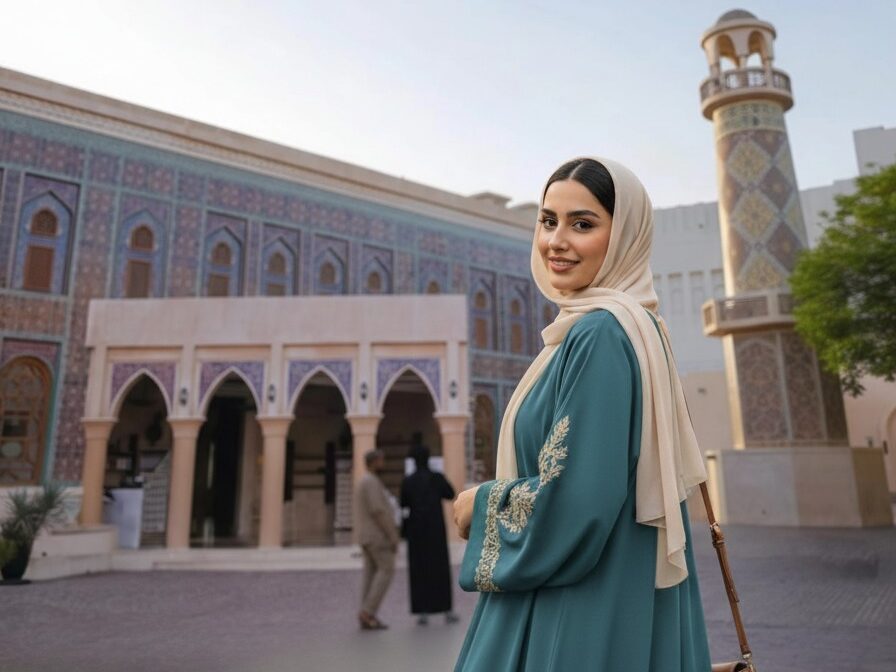
Katara Cultural Village has emerged as Qatar’s premier destination for arts, culture, and entertainment, consolidating multiple attractions into a single waterfront complex along the Arabian Gulf. This purpose-built cultural district features an impressive amphitheater, opera house, exhibition galleries, and performance spaces that host international festivals and events throughout the year.
The architecture blends traditional Arabian design elements with contemporary functionality, creating aesthetically pleasing spaces that honor Qatar’s heritage while serving modern cultural needs. Walking through Katara Cultural Village, visitors encounter public art installations, fountains, and courtyards that encourage exploration and discovery.
The beachfront location provides recreational opportunities alongside cultural experiences, making it one of the most versatile tourist places in Qatar’s capital. Numerous restaurants representing cuisines from around the world line the village streets, offering dining options that complement the cultural programming.
As a centerpiece of Qatar tourism’s cultural initiatives, Katara Cultural Village regularly hosts film festivals, music concerts, theatrical productions, and art exhibitions that attract international talent and audiences. The modern art galleries showcase both established and emerging artists, contributing to Doha’s growing reputation as a regional arts hub.
Traditional dhow boats displayed within the village remind visitors of Qatar’s maritime heritage and the pearling industry that once sustained the economy. The village mosque features distinctive blue tilework that exemplifies Islamic architectural beauty and serves as both a functioning place of worship and an architectural attraction.
During Qatar National Day and other celebrations, Katara becomes the focal point for festivities that demonstrate national pride and cultural vitality. Educational workshops in traditional crafts, music, and visual arts provide hands-on experiences for visitors seeking deeper engagement with Arabian culture.
The village’s outdoor spaces host markets and festivals that transform the area into a vibrant gathering place for both residents and tourists. For those compiling lists of places to visit in Doha, Katara Cultural Village offers concentrated cultural experiences that would otherwise require visits to multiple separate locations across the city.
Msheireb Downtown Doha: Where Tradition Meets Innovation
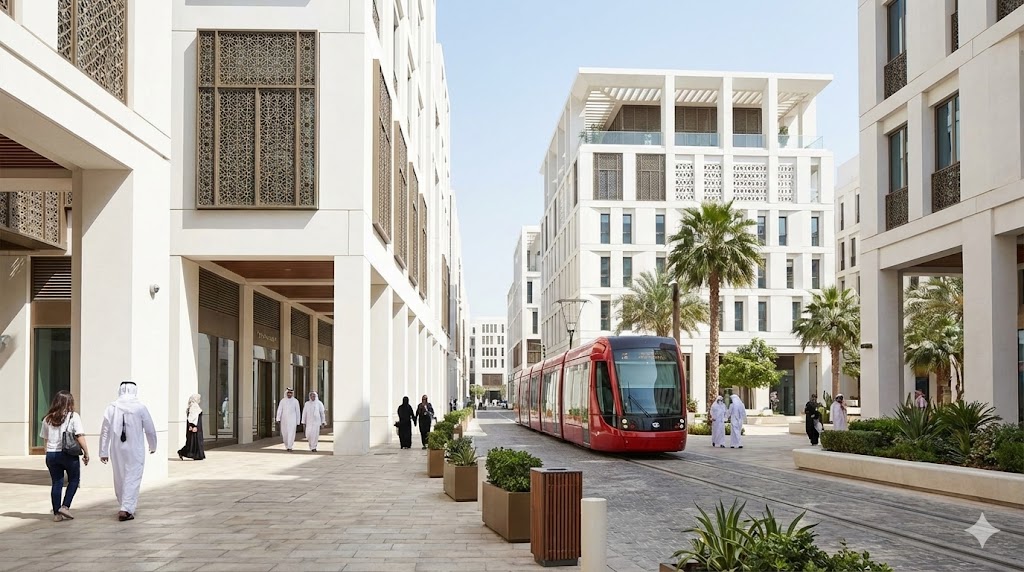
Msheireb Downtown Doha represents one of the world’s most ambitious sustainable urban regeneration projects and stands among the most forward-thinking places in Qatar. This mixed-use development revitalizes Doha’s historic heart with contemporary architecture that draws inspiration from traditional Qatari design principles while incorporating cutting-edge sustainability technologies.
The district features narrow pedestrian-friendly streets that recall historic Arabian urban planning, providing shade and encouraging walkability in contrast to typical car-dependent Gulf city developments. Four heritage houses within Msheireb have been meticulously restored and converted into museums that explore different aspects of Qatar’s heritage, from traditional family life to the petroleum industry’s impact.
The district’s commitment to LEED certification and environmental responsibility demonstrates Qatar tourism’s dedication to sustainable development that respects both cultural heritage and ecological concerns.
As one of the best places to visit for architecture enthusiasts and urban planning professionals, Msheireb Downtown Doha showcases how modern development can honor traditional Arabian urbanism while meeting contemporary needs.
The district incorporates advanced cooling technologies, water conservation systems, and renewable energy sources that make it one of the most sustainable large-scale developments in the Arabian Gulf region. Retail spaces, offices, residences, and hotels create a vibrant mixed-use environment that activates the streets throughout the day and evening. Public art installations and carefully designed public spaces encourage community interaction and cultural exchange. The district’s museums provide historical context that helps visitors understand the site’s significance and the layers of history beneath the modern development. Traditional wind towers and shaded courtyards demonstrate how pre-modern Arabian architecture achieved comfort in the desert climate without mechanical systems. Metro stations integrated into the development connect Msheireb to other tourist attractions in Doha, making it an accessible hub within the city’s expanding public transportation network. For those seeking places to visit in Doha that represent Qatar’s vision for sustainable urban futures while respecting tradition, Msheireb Downtown Doha offers compelling examples of how heritage and innovation can coexist harmoniously in the heart of an Arabian capital.
What Are the Best Places to Visit for Architecture and Design Enthusiasts?
Education City Mosque: Architectural Marvel in Qatar
Education City Mosque rises as a contemporary architectural masterpiece within Qatar Foundation’s Education City campus, representing innovative approaches to Islamic religious architecture. The structure combines traditional Islamic design principles with modern materials and construction techniques to create a space that inspires both spiritual contemplation and architectural admiration.
The mosque’s five pillars symbolize the five pillars of Islam, while intricate geometric patterns throughout the interior reflect centuries of Islamic artistic tradition reinterpreted through contemporary design sensibilities. Natural light filters through carefully positioned windows and skylights, creating an atmosphere of tranquility and connection to the divine.
The surrounding landscaping incorporates native desert plants and water features that provide cooling effects while minimizing resource consumption, demonstrating environmental responsibility aligned with Islamic stewardship principles.
As one of the top attractions for those interested in religious architecture and modern design, Education City Mosque welcomes visitors of all backgrounds to appreciate its aesthetic and spiritual dimensions.
The building’s clean lines and geometric precision create a sense of order and harmony that characterizes the best contemporary mosque design. Interior spaces accommodate thousands of worshippers while maintaining intimate proportions that facilitate personal reflection and prayer.
Calligraphy adorning the walls features verses from the Quran rendered in both traditional and contemporary styles, bridging Islamic artistic heritage with modern expression. The mosque offers guided tours that explain its architectural features, religious significance, and role within Education City’s broader mission of knowledge and cultural exchange.
For Muslim visitors, the mosque provides a welcoming space for daily prayers while traveling, and the ablution facilities meet the highest standards of cleanliness and functionality. Non-Muslim tourists are welcomed outside of prayer times to experience this remarkable structure that represents Qatar’s commitment to architectural excellence and religious tolerance.
Among places to visit in Qatar that showcase contemporary Islamic architecture, Education City Mosque stands as an essential destination that demonstrates how traditional spiritual values can be expressed through innovative twenty-first-century design within an Arabian Gulf nation experiencing rapid modernization and cultural development.
Qatar National Library: Modern Design Meets Knowledge
The Qatar National Library represents a stunning fusion of cutting-edge architecture and traditional knowledge preservation, establishing itself as one of Doha’s most visually striking and intellectually significant tourist attractions.
Designed by renowned architect Rem Koolhaas and his firm OMA, the building features a vast open interior space with books displayed on sloping shelves that create a diamond-shaped perimeter around the central reading area. This innovative design allows the entire collection to be visible at once, democratizing access to knowledge in a way that reflects Qatar’s commitment to education and cultural development.
The library houses over one million books including rare manuscripts and texts related to the Arabian Gulf region, making it an invaluable resource for researchers studying Qatar’s heritage and Islamic civilization. Floor-to-ceiling windows flood the interior with natural light while offering views of Education City’s innovative campus architecture.
As one of the best places to visit for those interested in contemporary library design and educational infrastructure, the Qatar National Library serves multiple functions beyond traditional book lending. The heritage collection preserves manuscripts and historical documents that chronicle the region’s intellectual history and contributions to global knowledge.
State-of-the-art technology integrates seamlessly with the physical book collection, providing digital resources and research tools that support scholarship across all disciplines. Public programs including author talks, workshops, and cultural events make the library a vibrant community gathering space rather than merely a repository of books.
Children’s areas feature interactive learning spaces designed to foster early literacy and love of reading in younger generations. For tourists, the library offers free Wi-Fi, comfortable seating, and a peaceful environment that provides respite from Doha’s heat and urban intensity.
The building’s architectural significance alone justifies its inclusion among top places to visit in Qatar, but the library’s commitment to knowledge accessibility and cultural preservation adds deeper value.
Photography enthusiasts find the interior spaces particularly compelling, with geometric patterns created by the book displays offering unique compositional opportunities. As part of Qatar tourism’s broader cultural offerings, the Qatar National Library demonstrates the nation’s investment in intellectual development and its vision for becoming a knowledge-based economy that values both traditional Arabian learning and contemporary global scholarship.
West Bay Skyline: Doha’s Iconic Modern Landmark
The West Bay skyline has become the defining visual symbol of modern Doha and represents one of the most photographed tourist attractions in the entire Arabian Gulf region. This cluster of gleaming skyscrapers rises dramatically from the waterfront, showcasing architectural designs from internationally renowned firms that have transformed Doha from a modest port city into a global metropolis.
Each tower contributes its own distinctive profile to the skyline, from the twisting Tornado Tower to the illuminated Burj Qatar, creating a constantly evolving architectural composition that changes appearance with shifting light throughout the day. Viewing the West Bay skyline from the Corniche promenade provides the classic perspective that appears in countless Qatar tourism promotional materials and serves as the backdrop for countless visitor photographs.
The towers house international corporate offices, luxury hotels, high-end residences, and upscale retail spaces that cater to Qatar’s cosmopolitan business community and affluent residents.
As one of the best places to visit for understanding Qatar’s rapid economic development and global ambitions, the West Bay area represents decades of transformation condensed into a relatively compact timeframe.
The skyline’s dramatic growth mirrors Qatar’s petroleum-fueled prosperity and strategic investments in infrastructure and real estate development. Each building incorporates advanced engineering solutions necessary for constructing tall structures in the challenging desert climate with extreme temperatures and occasional seismic activity.
Observation decks in several towers offer elevated perspectives on Doha’s urban geography, revealing how the city extends from the Arabian Gulf coastline into the surrounding desert. Luxury hotels within the towers provide world-class accommodations for visitors prioritizing proximity to business districts and upscale amenities. The area’s nighttime illumination creates spectacular light displays as individual buildings showcase architectural lighting that reflects corporate identities and seasonal celebrations.
During Qatar National Day, the towers become canvases for coordinated light shows and projections that demonstrate technological capabilities and national pride. For architecture students and professionals, West Bay offers concentrated examples of contemporary high-rise design responding to specific climatic and cultural contexts.
Among places in Qatar that symbolize national aspirations and achievements, the West Bay skyline stands as the most visible representation of transformation from traditional Arabian society to modern global player, making it essential viewing for anyone seeking to understand contemporary Qatar through its most prominent architectural expression along the Arabian Gulf waterfront.
Where Can You Experience Outdoor Adventures and Natural Attractions in Qatar?
Khor Al Adaid (Inland Sea): Desert Safari and Sand Dunes Adventure
Khor Al Adaid, commonly known as the Inland Sea, ranks among the most spectacular natural attractions in Qatar and offers adventure seekers unforgettable desert safari experiences. This UNESCO-recognized natural reserve features a rare phenomenon where the sea water intrudes deep into the desert, creating a stunning landscape where towering sand dunes meet tidal waters along the Arabian Gulf.
The journey to reach the Inland Sea constitutes an adventure in itself, requiring four-wheel drive vehicles capable of navigating challenging terrain across massive sand dunes that shift with the wind. Professional tour operators offer desert safari packages that include dune bashing, a thrilling activity where skilled drivers navigate vehicles up and down steep sandy slopes at dramatic angles.
The area’s remote location ensures minimal light pollution, making it one of the best places to visit for stargazing and experiencing the desert’s profound silence under the vast Arabian night sky.
As one of the top attractions for nature enthusiasts and adventure travelers, the Inland Sea provides opportunities for swimming, kayaking, and camping in one of Qatar’s most pristine natural environments. The surrounding sand dunes create constantly changing landscapes as wind reshapes their contours, offering photographers dramatic subjects that capture the desert’s timeless beauty.
Camel rides along the beach provide traditional Arabian transportation experiences that connect visitors to the region’s Bedouin heritage and historical trading routes. During cooler months from November through March, overnight camping under the stars becomes possible, allowing visitors to experience the desert’s temperature extremes and the profound peace of remote wilderness.
The area supports surprising biodiversity despite its harsh appearance, with desert plants and animals adapted to survive in extreme conditions. Birdwatchers can spot species that use the area during migration between continents, adding ecological significance to the visual spectacle.
For those compiling lists of places to visit in Qatar that showcase natural rather than constructed attractions, Khor Al Adaid offers essential experiences that reveal the desert environment that shaped Qatari culture and continues to define much of the nation’s geography.
The combination of sea and sand creates unique recreational opportunities unavailable in most desert environments, making this remote location worth the journey for visitors seeking authentic outdoor adventures beyond Doha’s urban attractions and air-conditioned comforts.
Dahl Al Misfir: Qatar’s Hidden Natural Cave Wonder
Dahl Al Misfir represents one of Qatar’s best-kept natural secrets and ranks among the most unusual tourist places for those seeking geological wonders. Located in the western desert, this enormous sinkhole cave descends approximately forty meters below the surrounding limestone plateau, creating a subterranean chamber that remains significantly cooler than surface temperatures.
The cave’s walls contain fibrous gypsum crystals that create an otherworldly appearance, particularly when illuminated by artificial lighting that reveals the minerals’ ethereal glow. This natural formation developed over millions of years through water erosion of the limestone bedrock, creating cavities that eventually collapsed to form the accessible depression visible today.
The site offers a completely different perspective on Qatar’s geology compared to the endless sand dunes and flat desert plains that dominate popular imagination of Arabian landscapes.
As one of the most distinctive places in Qatar for geology enthusiasts and adventure tourists, Dahl Al Misfir provides educational opportunities to understand the region’s deep geological history. The cooler temperatures within the cave offered historical refuge from summer heat for Bedouin travelers crossing the desert, making it a site of both natural and cultural significance.
The surrounding area features desert vegetation adapted to the harsh climate, demonstrating the resilience of life in seemingly inhospitable environments. Access to the cave requires four-wheel drive vehicles capable of navigating unpaved desert tracks, adding an adventurous dimension to the visit. Recent development has improved access and safety features while maintaining the site’s natural character, reflecting Qatar tourism’s approach to making natural attractions accessible without compromising their integrity.
Photography enthusiasts find the unique lighting conditions and mineral formations particularly compelling, though specialized equipment helps capture the cave’s distinctive atmosphere. The site sees far fewer visitors than urban tourist attractions in Doha, offering a peaceful experience for those willing to venture beyond the capital.
For those seeking the best places to visit in Qatar that showcase natural rather than architectural wonders, Dahl Al Misfir provides a fascinating counterpoint to the nation’s famous modern developments, revealing the ancient geological processes that shaped the Arabian Peninsula long before human habitation and the relatively recent discovery of petroleum wealth that transformed Qatar into a global destination.
The Pearl Qatar: Luxury Promenade and Waterfront Destination
The Pearl Qatar represents one of the most ambitious real estate developments in the Arabian Gulf and has quickly established itself among the premier places to visit in Doha for luxury shopping and waterfront dining. Built on reclaimed land spanning nearly four million square meters, this artificial island features Mediterranean-inspired architecture, yacht-lined marinas, and upscale residences that attract Qatar’s affluent expatriate community and wealthy residents. The development’s name pays homage to Qatar’s pearling heritage, as the site once served as one of the major pearling grounds before the industry’s collapse following the introduction of cultured pearls. Pedestrian-friendly promenades lined with luxury boutiques, international restaurants, and entertainment venues create a walkable environment unusual in car-dependent Doha. The marina berths hundreds of yachts and boats, adding maritime atmosphere to this Arabian Gulf destination that reconnects the city with its coastal heritage through contemporary luxury development.
As one of the top attractions for luxury travelers and shopping enthusiasts, The Pearl Qatar offers retail experiences featuring international fashion brands and designer stores not found elsewhere in the country.
The development’s various districts each feature distinct architectural themes, from Porto Arabia’s colorful Mediterranean-style buildings to Qanat Quartier’s Venetian-inspired canals and bridges. Waterfront cafes and restaurants provide dining options with views across the marina and the Arabian Gulf beyond, creating European-style outdoor dining experiences adapted to Qatar’s climate through misting systems and shaded terraces.
The area becomes particularly vibrant during evenings and weekends when residents and tourists gather for dinner, shopping, and leisurely walks along the promenade. Cultural events and seasonal festivals regularly activate the public spaces, adding entertainment dimensions to the retail and dining offerings. For tourists staying in the area’s luxury hotels, The Pearl offers self-contained resort-style experiences with all amenities within walking distance.
The development’s exclusivity and careful planning create a distinct atmosphere compared to older Doha neighborhoods, though some critics argue it lacks the authentic Arabian character found in places like Souq Waqif.
Nonetheless, for those seeking the best places to visit representing Qatar’s luxury sector and contemporary development ambitions, the Pearl Qatar provides compelling examples of how the nation is diversifying its urban experiences beyond petroleum industry to create residential and commercial environments that attract international investment and position Doha as a lifestyle destination within the broader Arabian Gulf region’s competitive landscape of luxury real estate and tourism developments.
What Are the Top Family-Friendly Places to Visit in Doha?
Villaggio Mall: Shopping and Theme Park Entertainment
Villaggio Mall stands as one of Doha’s most distinctive shopping and entertainment destinations, featuring Venice-inspired architecture complete with indoor canals, gondola rides, and a painted sky ceiling that creates perpetual twilight. This themed environment makes it one of the most memorable tourist attractions in Doha, particularly for families with children who appreciate the immersive fantasy setting that contrasts sharply with the desert landscape outside.
The mall houses hundreds of international retail brands alongside local boutiques, providing comprehensive shopping experiences under one climate-controlled roof. Dining options range from fast food to sit-down restaurants representing cuisines from around the world, ensuring that even the pickiest family members find appealing options.
The central attraction, Gondolania theme park, occupies a significant portion of the mall and features ice skating, bowling, and various rides that provide entertainment for all ages.
As one of the best places to visit in Doha for families seeking variety in a single location, Villaggio Mall combines shopping, dining, and entertainment in ways that maximize convenience for parents managing children’s varying interests and energy levels. The theme park area includes both gentle rides suitable for young children and more thrilling attractions that appeal to teenagers, making it an inclusive destination for multi-generational family groups.
The indoor ice skating rink provides a unique activity in a desert nation, offering cooling recreation that contrasts dramatically with the outdoor temperatures. During school holidays and Qatar National Day celebrations, the mall hosts special events and performances that add extra entertainment value beyond the permanent attractions.
The Venetian theme extends to architectural details throughout the complex, with bridges, balconies, and decorative elements that create photo opportunities and visual interest beyond typical mall environments. IMAX cinema screens provide premium movie-watching experiences with the latest Hollywood and international films. For tourists, Villaggio Mall offers familiar retail brands alongside opportunities to purchase distinctively Arabian products and souvenirs.
The extensive parking facilities and accessibility via public transportation make it easy to reach from hotels throughout Doha. Among places in Qatar that demonstrate the nation’s embrace of international architectural themes and consumer culture, Villaggio Mall represents retail entertainment taken to fantastical extremes, creating a self-contained environment where families can spend entire days shopping, dining, and playing regardless of outdoor weather conditions that often make extended time outside uncomfortable during Qatar’s intensely hot summer months from May through September.
Doha Festival City: Ultimate Family Destination
Doha Festival City has emerged as Qatar’s largest and most comprehensive retail and entertainment destination, establishing itself among the top places to visit for families seeking diverse activities under one enormous roof. This massive complex features over 500 retail outlets ranging from international fashion brands to electronics stores, hypermarkets, and specialty boutiques that cater to every shopping need imaginable.
The development includes multiple entertainment zones designed specifically for different age groups, ensuring that every family member finds engaging activities regardless of their interests or ages. IKEA’s presence provides furniture shopping and the brand’s famous restaurant, while VOX Cinemas offers premium movie-watching experiences including luxury recliners and dining options.
The Virtuocity indoor theme park features rides, games, and attractions spread across thousands of square meters of dedicated entertainment space, making it one of the best places to visit in Doha for active children needing to burn energy.
As a cornerstone of Qatar tourism’s family-friendly infrastructure, Doha Festival City incorporates outdoor elements unusual for Gulf shopping centers, including landscaped areas, water features, and open-air dining terraces that activate during cooler months. The complex hosts seasonal festivals and cultural events that celebrate both international holidays and occasions like Qatar National Day with special decorations, performances, and promotional activities.
Angry Birds World, one of the facility’s anchor entertainment offerings, provides themed attractions based on the globally popular game franchise, appealing particularly to younger children and families. The food court and numerous restaurants represent dozens of cuisines, ensuring that dining becomes part of the entertainment rather than merely functional refueling during shopping expeditions.
Prayer rooms, family facilities, and nursing areas demonstrate attention to local cultural needs while maintaining international standards of convenience and accessibility. The development’s modern architecture creates an impressive exterior presence while the interior design uses natural light and open sightlines to prevent the claustrophobic feeling sometimes associated with massive enclosed malls.
For visitors compiling lists of tourist places that provide comprehensive experiences, Doha Festival City offers the advantage of concentrating diverse activities in one location, minimizing travel time and maximizing variety. The climate-controlled environment makes it particularly valuable during summer months when outdoor activities become impractical due to extreme heat, positioning it among the essential places to visit in Qatar for families prioritizing convenience, variety, and comfort in their vacation activities within easy reach of Doha’s hotel districts and residential neighborhoods.
Katara Cultural Village: Tourist Places with Activities for All Ages
Katara Cultural Village excels as a family-friendly destination by offering diverse activities that engage visitors across generations, from young children to grandparents, making it one of the most inclusive tourist attractions in Doha. The beachfront location provides safe swimming areas where families can enjoy the Arabian Gulf’s warm waters under lifeguard supervision, while the sandy beach offers space for children to play and build sandcastles.
The village regularly hosts festivals celebrating various cultures, providing educational entertainment that exposes families to global traditions, music, and cuisine in accessible, engaging formats. Children’s theater productions and workshops introduce young audiences to performing arts in age-appropriate ways that foster creativity and cultural appreciation.
The open-air amphitheater hosts concerts and performances ranging from classical music to contemporary entertainment, with family-friendly programming scheduled throughout the year.
As one of the best places to visit in Qatar for combining cultural education with recreational activities, Katara Cultural Village ensures that learning feels like entertainment rather than obligation. The Katara Hills features vibrant street art and Instagram-worthy installations that appeal to teenagers and social media enthusiasts, while the traditional architecture and heritage displays engage adults interested in Qatar’s heritage and Arabian culture.
Numerous playgrounds scattered throughout the village provide dedicated spaces for children to expend energy while parents relax nearby at cafes offering sea views. Dhow boat rides available from the marina offer gentle water-based activities that appeal to families seeking mild adventures without the intensity of high-speed water sports.
The village’s restaurants include child-friendly options alongside more sophisticated dining, ensuring that families with varied tastes find suitable meals. During Qatar National Day and other national celebrations, Katara becomes a festival hub with special programming that allows visiting families to experience local traditions and national pride alongside Qatari residents.
The combination of cultural facilities, recreational spaces, and natural beach access makes Katara one of the few places in Qatar where families can pursue completely different activities in immediate proximity, allowing members to split up according to interests before reuniting for meals or other shared experiences.
For those planning itineraries of places to visit in Doha with multi-generational family groups, Katara Cultural Village provides essential variety that prevents the boredom and fatigue that can result from attractions targeted too narrowly at specific age ranges or interest groups.
How Can You Experience Authentic Arabian Culture at Qatar’s Top Attractions?
Souq Waqif: Traditional Markets and Qatar Tourism Highlights
Souq Waqif remains the most authentic location for experiencing traditional Arabian market culture and stands as an essential component of any comprehensive Qatar tourism itinerary focused on cultural immersion. The market’s vendors include Qataris selling traditional handicrafts passed down through generations, offering visitors opportunities to meet local artisans and learn about techniques that have survived modernization.
The falcon souq provides fascinating insights into Qatar’s heritage of falconry, a practice deeply embedded in Bedouin culture and still actively pursued by many Qataris as both sport and cultural tradition. Watching falconers handle their birds and discussing training techniques offers direct connection to living traditions that predate the nation’s petroleum-era transformation. The spice markets fill the air with aromas of cardamom, saffron, and frankincense, recreating sensory experiences that have characterized Arabian trade for millennia.
As one of the premier places to visit in Doha for authentic cultural engagement rather than staged tourist performances, Souq Waqif functions as a working marketplace where locals conduct daily shopping alongside curious visitors. Traditional restaurants serving Qatari dishes like machboos, harees, and luqaimat provide culinary access to Arabian flavors and cooking methods refined over centuries.
The evening gatherings at traditional cafes where men smoke shisha and socialize demonstrate social customs that remain central to Qatari life despite comprehensive modernization in other spheres. Traditional textile shops display ornate fabrics used in thobes and abayas, the traditional garments worn by Qatari men and women, offering insights into the cultural significance of dress in Arabian society.
Jewelry shops feature both antique pieces and contemporary designs incorporating traditional motifs, allowing visitors to purchase meaningful souvenirs directly from craftspeople. During Ramadan and Eid celebrations, the souq takes on special atmosphere as families gather for special meals and shopping, inviting visitors to witness important religious and cultural observances.
The preservation and restoration of Souq Waqif represents Qatar’s commitment to maintaining tangible connections to pre-modern Arabian life even as the surrounding city transforms into a forest of glass towers and contemporary architecture.
For those seeking places in Qatar where authentic cultural experiences haven’t been entirely displaced by tourism commodification, Souq Waqif provides essential encounters with living traditions, working craftspeople, and social customs that help visitors understand the cultural foundations underlying contemporary Qatari identity in this rapidly modernizing Arabian Gulf nation.
Qatar National Day Celebrations: Immerse in Local Traditions
Qatar National Day, celebrated annually on December 18th, provides visitors unique opportunities to experience authentic expressions of Qatari culture and national pride that transform the entire country into a festive celebration. This commemoration marks the day Sheikh Jassim bin Mohammed Al Thani succeeded his father as the leader and unified the country’s various tribes, establishing the foundations of the modern nation-state.
During this period, virtually all tourist attractions in Doha and throughout Qatar feature special programming, decorations, and events that showcase national heritage and contemporary achievements. The Corniche and major public spaces transform with enormous Qatari flags, patriotic decorations, and stages hosting traditional performances including ardah (sword dance), poetry recitations, and folk music that connects modern citizens to Bedouin roots.
Families dress in traditional national costume, with men wearing pristine white thobes and women adorned in elaborately embroidered abayas, providing visual demonstrations of cultural pride and traditional Arabian dress.
As one of the most culturally significant occasions for understanding Qatar’s national identity, Qatar National Day offers visitors rare glimpses into collective expressions of patriotism and heritage that transcend everyday tourist attractions. Major venues including Souq Waqif, Katara Cultural Village, and Msheireb Downtown Doha host complementary events that allow visitors to experience celebrations across different settings simultaneously throughout the day.
Traditional markets set up in public spaces sell heritage crafts, foods, and items that might not be readily available during other times of year, offering unique shopping opportunities for culturally significant souvenirs. Educational exhibitions explain Qatari history, the unification story, and the nation’s journey toward independence and sovereignty, providing historical context that helps visitors understand contemporary Qatar beyond its modern skyline and wealthy reputation.
Spectacular fireworks displays launched from multiple locations across Doha create pyrotechnic celebrations visible throughout the city and from vantage points along the Arabian Gulf coastline. The genuine enthusiasm displayed by Qatari citizens during National Day contrasts with the sometimes staged cultural performances at tourist venues, offering authentic emotional connections to place and identity.
For visitors fortunate enough to be among the places to visit in Qatar during this significant occasion, the experience provides unparalleled cultural immersion that reveals the pride, unity, and cultural continuity that characterize Qatari society despite dramatic material transformations over recent decades within this small but influential Arabian nation.
Abdul Wahhab Mosque: Spiritual and Architectural Significance
The Abdul Wahhab Mosque, also known as Qatar’s State Grand Mosque, represents the nation’s largest place of worship and stands among the most architecturally significant religious buildings in the Arabian Gulf region. This impressive structure accommodates up to 30,000 worshippers across its prayer halls and courtyard, making it the spiritual center of the nation and an important symbol of Qatar’s Islamic identity.
The mosque’s design draws inspiration from classical Islamic architecture while incorporating contemporary construction techniques and materials that ensure durability and functionality for modern needs. Ninety-three domes of varying sizes crown the structure, creating a distinctive silhouette visible across Doha’s skyline and establishing the mosque as one of the city’s most recognizable landmarks. The interior features exquisite calligraphy, geometric patterns, and architectural details that exemplify Islamic artistic traditions refined over fourteen centuries.
As one of the most culturally and spiritually significant places to visit in Qatar, the Abdul Wahhab Mosque welcomes non-Muslim visitors outside of prayer times through organized tours that explain Islamic beliefs, practices, and the mosque’s architectural features. These educational visits provide respectful opportunities for cultural exchange and help visitors understand the central role of Islam in Qatari society and Arabian culture more broadly.
The guided tours typically include explanations of prayer rituals, the mosque’s orientation toward Mecca, and the significance of various architectural elements in supporting worship practices. The mosque’s library contains religious texts and scholarly works that serve the educational needs of the community while preserving important manuscripts. The ablution facilities demonstrate the importance of ritual purification in Islamic practice, with separate areas for men and women featuring traditional washing stations designed according to religious requirements.
The surrounding grounds include parking for thousands of vehicles, reflecting the mosque’s role as a gathering place for major religious celebrations including Friday prayers, Eid festivals, and Ramadan observances. During Qatar National Day, the mosque often serves as a focal point for national unity, bridging religious and national identities. For Muslim tourists, the mosque provides a welcoming space for daily prayers while traveling, ensuring that religious obligations can be fulfilled in beautiful, well-maintained surroundings.
Among tourist places that help visitors understand the intersection of faith, culture, and national identity in Qatar, the Abdul Wahhab Mosque offers essential perspectives on how Islamic traditions continue to shape contemporary Qatari life even as the nation embraces modernity and global connections throughout this rapidly developing Arabian nation.
What Are the Best Things to Do in Doha for First-Time Visitors?
Exploring the Corniche and West Bay Tourist Attractions
First-time visitors to Doha should prioritize exploring the Corniche promenade and the adjacent West Bay area to gain comprehensive understanding of the city’s transformation and contemporary character. Walking the seven-kilometer Doha Corniche provides exercise, spectacular views, and access to multiple tourist attractions including the Museum of Islamic Art, which sits on its own island just off the walkway.
The contrast between the historic dhow boats bobbing in the harbor and the gleaming towers of the West Bay skyline encapsulates Qatar’s journey from pearling economy to global financial center. Renting bicycles or using electric scooters available along the route offers alternative transportation for covering more distance without fatigue. The promenade’s carefully maintained parks and rest areas provide spaces to pause, photograph, and absorb the atmosphere of this modern Arabian Gulf capital.
As one of the best places to visit in Doha for orientation and understanding the city’s geography, the Corniche connects major districts and landmarks that first-time visitors should experience. The route passes near Souq Waqif, allowing easy combination of waterfront strolling and market exploration in a single outing. Dhow cruises departing from various points along the Corniche offer water-based perspectives on the skyline and coastline, creating memorable experiences particularly during sunset or evening hours when the city lights create magical atmospheres.
The West Bay area beyond the Corniche contains many of Doha’s luxury hotels, making it convenient accommodation base for exploring other tourist attractions throughout the city. Observation decks in several West Bay towers provide elevated perspectives that help visitors understand Doha’s relationship with the Arabian Gulf and the extent of urban development spreading from the historic core into surrounding desert. Numerous cafes and restaurants along the Corniche and within West Bay towers ensure that refreshment options are always nearby during exploration.
For those prioritizing places to visit in Qatar that efficiently communicate the nation’s rapid development and contemporary ambitions, the combination of Corniche and West Bay experiences provides concentrated exposure to Doha’s most iconic views and landmarks. The ease of access via walking, biking, or short taxi rides makes this area ideal for first-time visitors still orienting themselves to the city’s layout before venturing to more distant tourist places like the Inland Sea or Dahl Al Misfir that require organized tours or private vehicles to access safely.
Visit Qatar’s Top Places: From Museums to Desert Adventures
First-time visitors should balance urban cultural attractions with outdoor adventures to experience the full spectrum of what Qatar offers beyond its famous modern architecture and shopping malls. Beginning with museums like the Museum of Islamic Art and the National Museum of Qatar provides essential historical and cultural context that enriches understanding of all subsequent experiences throughout the trip.
These institutions explain Qatar’s heritage from pre-Islamic times through the pearling era to petroleum discovery and contemporary development, creating narratives that help visitors comprehend the dramatic transformations visible everywhere in modern Doha. Following museum visits with trips to Souq Waqif allows visitors to see how traditional Arabian market culture persists alongside and despite comprehensive modernization. Dedicated half-day or full-day desert safari excursions to locations like Khor Al Adaid provide completely different environments and activities that showcase Qatar’s natural landscape beyond the urban corridor.
As essential components of comprehensive Qatar tourism experiences, desert adventures complement urban sightseeing by revealing the environment that shaped traditional Qatari culture and Bedouin heritage. Professional tour operators offer various package options ranging from brief afternoon desert excursions to overnight camping experiences that allow visitors to witness both sunset and sunrise over the sand dunes.
These adventures typically include dune bashing, camel riding, traditional Bedouin-style meals, and opportunities to try sandboarding down steep dunes. The dramatic temperature swings between scorching daytime heat and surprisingly cool nights demonstrate the challenging environment that Bedouin peoples successfully inhabited for centuries. For first-time visitors trying to decide which places to visit in Qatar with limited time, combining landmark urban tourist attractions with at least one desert adventure creates balanced itineraries that represent both contemporary achievements and enduring natural landscapes.
The contrast between air-conditioned museums and shopping malls versus the raw desert environment helps visitors appreciate the comfort and prosperity that petroleum wealth has brought Qatar while understanding the austere conditions that shaped the culture’s values and traditions. Many tour packages efficiently combine multiple destinations, such as visiting the Inland Sea and stopping at Sealine Beach on the return journey, maximizing experiences within available time. For those seeking the best places to visit that communicate authentic Qatari experiences beyond urban modernity, desert adventures remain essential for understanding how geography continues to influence national identity in this Arabian nation.
Planning Your Itinerary
Successful first-time visits to Qatar require strategic itinerary planning that accounts for the intense heat during summer months, cultural considerations, and the geographic distances between major tourist attractions spread across Doha and beyond. Visitors should prioritize indoor attractions including museums, shopping malls, and cultural facilities during midday hours when outdoor activities become uncomfortable or potentially dangerous due to extreme temperatures that regularly exceed 40°C between May and September.
Early morning hours before 10 AM and late afternoon after 4 PM provide more comfortable windows for outdoor exploration of places like the Corniche, Souq Waqif, and Katara Cultural Village. Desert safari excursions typically depart in late afternoon to reach the dunes for sunset, making them compatible with morning cultural activities in Doha.
As part of comprehensive Qatar tourism planning, visitors should consider multi-day itineraries that group attractions by geographic proximity to minimize travel time and maximize experiences.
Day one might focus on central Doha tourist attractions including the Museum of Islamic Art, Souq Waqif, and the Corniche, all within walking distance or short taxi rides.
Day two could explore Qatar’s heritage and modern architecture through visits to the National Museum of Qatar, Msheireb Downtown Doha, and the Qatar National Library.
Day three might venture to Katara Cultural Village and The Pearl Qatar, both located north of central Doha along the coast. Day four could be dedicated entirely to a desert safari adventure to Khor Al Adaid, requiring most of the day for transportation and activities. Visitors with additional time might add Education City Mosque, specialized museums, or shopping expeditions to Villaggio Mall and Doha Festival City.
Those visiting during Qatar National Day or other significant celebrations should plan itineraries around special events and expect some attractions to have modified schedules. Understanding that Qatar, like other Arabian Gulf nations, observes Friday as the primary weekly holiday means that some government buildings and businesses may have reduced hours, though major tourist places remain open.
For first-time visitors compiling lists of the best places to visit in Qatar, this guide provides the foundational knowledge necessary to create personalized itineraries that match individual interests, whether prioritizing cultural immersion, modern architecture, outdoor adventures, family entertainment, or comprehensive surveys of this fascinating Arabian nation’s top attractions spanning heritage preservation and futuristic vision along the Arabian Gulf coastline.